Drawing on Mimi Shellers (2018) foundational theories of mobility justice, this research investigates the application of justice principles in urban transformation processes, focusing specifically on streets
However, as you browse the supplement aisle or look at labels online, you might notice two different names appearing: glutathione and L-glutathione
How to Use Glutathione Wisely

Pinealon structure and discovery Chemical composition: Tripeptide (three amino acids) Sequence: Glu-Asp-Gly (EDG) Also called Pinalon in some translations Synthetic version of natural brain tissue peptides Part of Khavinson Cytogen series Discovery and development: Created by Professor Vladimir Khavinson (same scientist behind Epithalon ) Developed in 1980s-1990s at Russian Institute Derived from studying pineal gland and brain tissue extracts Part of organ-specific bioregulator peptide theory Decades of Russian research and clinical use Bioregulator theory: Each organ produces specific regulatory peptides These peptides help maintain tissue homeostasis With aging, peptide production declines Supplementing organ-specific peptides restores function Pinealon specifically targets central nervous system Why developed: Address age-related cognitive decline Support recovery from neurological damage Prevent neurodegenerative diseases Optimize brain function at any age Part of comprehensive longevity strategy Learn peptide fundamentals and how bioregulators work at SeekPeptides
By comparison, the individual portable nootropic drinks from TruBrain are significantly more convenient
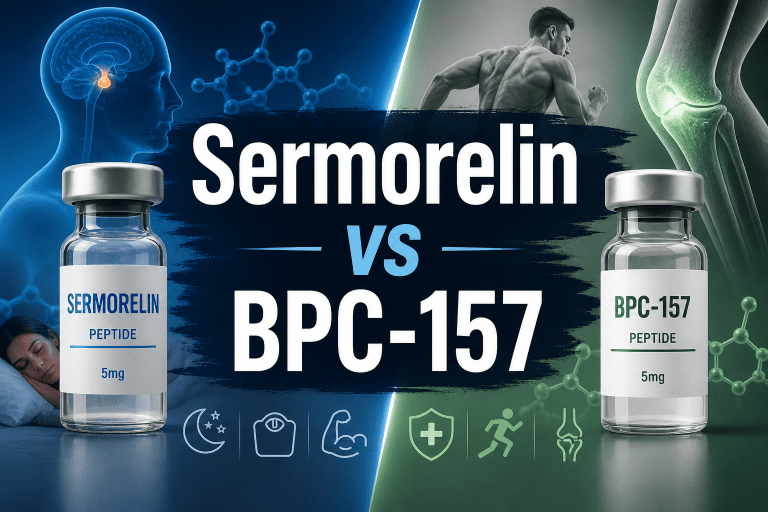
PDA is primarily an inflammation-focused peptide, while BPC-157 provides wide-reaching regenerative and restorative benefits, making it far more versatile